
Kenya is the latest country to sign over millions of hectares of land to Dubai as part of its massive African land-grab. It joins Liberia, Tanzania, Zambia and Zimbabwe – with the latter signing over a fifth of its land without any global outcry.
David Roberts of the Volt podcast talks to Ólafur Teitur Guðnason of Carbfix, who do carbon capture and sequestration by carbonating water and putting it underground. Yes, carbonating water, like fizzy drinks.
When we’re retrofitting homes in the UK, we need to remember to plan for high temperatures as well as making them energy efficient in low temperatures.
More civilians have been killed in Gaza in 31 days than the 620 days of the attack on Ukraine. Saying this is unacceptable does not make you a terrorist sympathiser or an anti-Semite.
Prime Minister Rishi Sunak stood in front of the COP conference last year and told everyone how it was “morally right to honour our promises” on a 2030 emissions target. His new policies of climate delay mean that we won’t meet that target. Friends of the Earth have a petition you can sign to remind him of this.
Unilever are giving the dairy industry free use of its patents on ice cream that remains stable at -12C rather than the industry standard -18C, saving a potential 25% of the energy used in ice cream retail freezers. A somewhat obscure industry story, but I’m noting it because of its cooperative nature – they could have saved that money themselves as a competitive advantage, and we want to see more sharing like this on the way to net zero.
Highlights from this week

No change in fossil fuel production plans
There’s a giant cognitive dissonance at the heart of global climate politics. Almost every country now agrees that it has work to do to prevent climate disaster. The age of scepticism is over and every major economy has set carbon targets. At the same time, those governments all want to maximise fossil fuel production. According…

What about secondhand solar?
Last month I wrote about waste solar panels, and how the ‘mountains’ of old solar panels are a drop in the ocean compared to the waste from coal and other sources. We still want to reduce it to as little as possible, and invest now in the growing solar recycling market. But what about secondhand…
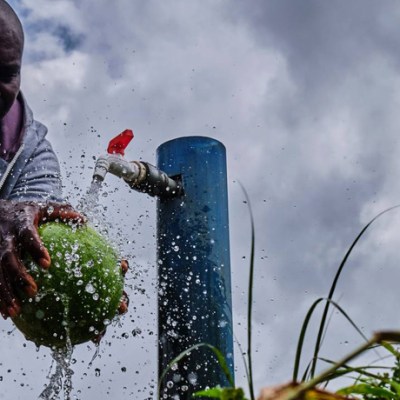
Climate solutions at the Ashden Awards
Last night the annual Ashden Awards took place, celebrating pioneering climate solutions and the people working on them. If you’ve ever come across Ashden’s work before, you’ll know that they have a certain way about them. They’re global in scope, and they’re not dazzled by showy start-ups or advanced technology. You won’t get the kind…
 The Earthbound Report