
Plastic waste is a vast and complicated environmental scourge, and the problem is getting worse by the day as plastic-wrapped consumer goods reach a larger percentage of the world’s population. It’s an environmental issue and a justice issue, and so far the most high profile response – recycling – has been unable to stem the tide.
One of the reasons that the plastic keeps coming is that most recycling isn’t truly circular. If it was, then we could imagine a point where we have enough plastic in circulation to meet our needs – as I described with steel last week. Plastic isn’t as recyclable as steel. A clear plastic drinks bottle doesn’t go in the bin and come back as another drinks bottle.
Technically, it will be downcycled. That plastic bottle will be shredded along with a load of other mixed plastics, melted into pellets and then used for something of lower value. It might be turned into a synthetic fabric. Some will be pressed into slabs of ‘plastic lumber’ and used to make picnic benches. It could be flooring or plastic shopping bags. It might go into building materials or even poured into asphalt and laid as a road. Very little plastic delivers like for like, and so we need a constant supply of new ‘virgin’ plastics in at the top of the manufacturing chain.
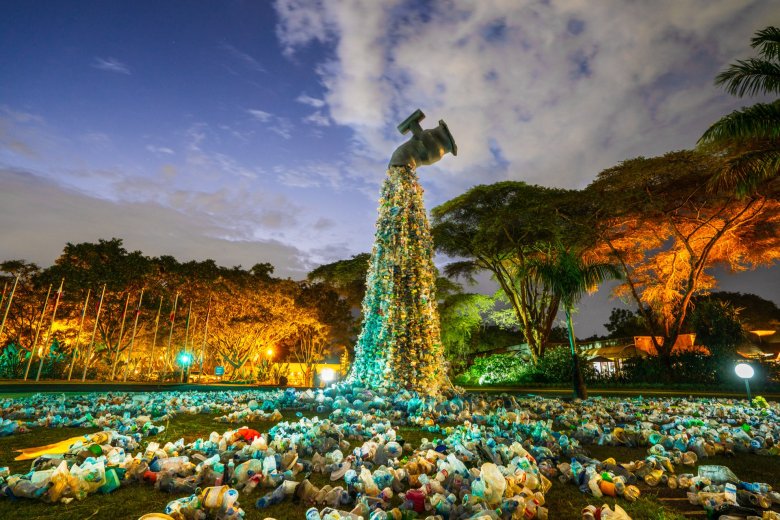
This is why campaigners insist that the only way to get to grips with plastic waste is to stop it at source. Invest in refills and plastic-free alternatives, and just ban the worst of single-use plastics altogether. Trying to recycle our way out of the plastics mess is like mopping up around an overflowing bathtub without turning off the tap.
Preventing unnecessary plastic remains the priority, but we can also look forward to developing more advanced recycling methods – ones that get us closer to a truly circular economy for plastics. Biorecycling may offer a way forward.
Biorecycling uses enzymes to break down plastics, rather than the mechanical processes of shredding and heating. Enzymes are the biological catalysts that run the chemical processes inside cells and living things. Scientists are able to identify the specific enzymes that split plastic’s chemical bonds, depolymerising it back into its original base blocks.
The specific details of how they’ve worked this out are beyond my scientific education, and include mysteries such as x-ray crystallography, synchrotrons and nuclear magnetic resonance. The important bit is that enzymatic recycling creates genuine circularity, and a much more effective and versatile recycled materials.
It’s at the early stages. A French company called Carbios has run a demonstration plant since 2021, and last week they announced the construction of the world’s first commercial PET biorecycling plant. There’s a lot to do to scale it up and bring the price down, but it’s possible.
Biorecycling will be a technology to keep an eye on, as it is potentially less carbon intensive and polluting as well as being more effective. It doesn’t cancel the urgency of reducing plastic use, but it does open up possibilities for the long term sustainability of plastics.



 The Earthbound Report
Like the metaphor. Am glad to hear of this French company’s initiative. Thank you for the share!