Out the front of my house there’s a Little Free Library with a base made out of old pallet boards. In the back garden there’s a planter made from more of the same. There’s another pallet in pieces in the wood store waiting to be fed into the rocket stove. I regularly come by discarded pallets. There are a lot of them around.
Pallets are used to ship bulk goods and building materials, constructed to provide a solid base for easily moving a load. Once the load reaches its destination the pallet is often scrapped. It is of course perfectly possible to return it and reuse it. Some businesses plan around that and higher quality pallets are often reused, but that’s only 10% of them. The majority are made from cheap materials with no plans to take them back and no incentive for customers to deal with them responsibly.
This is a huge waste of wood. The UK construction industry gets through 20 million pallets every single year. That’s just one industry in one country, and global demand is growing.
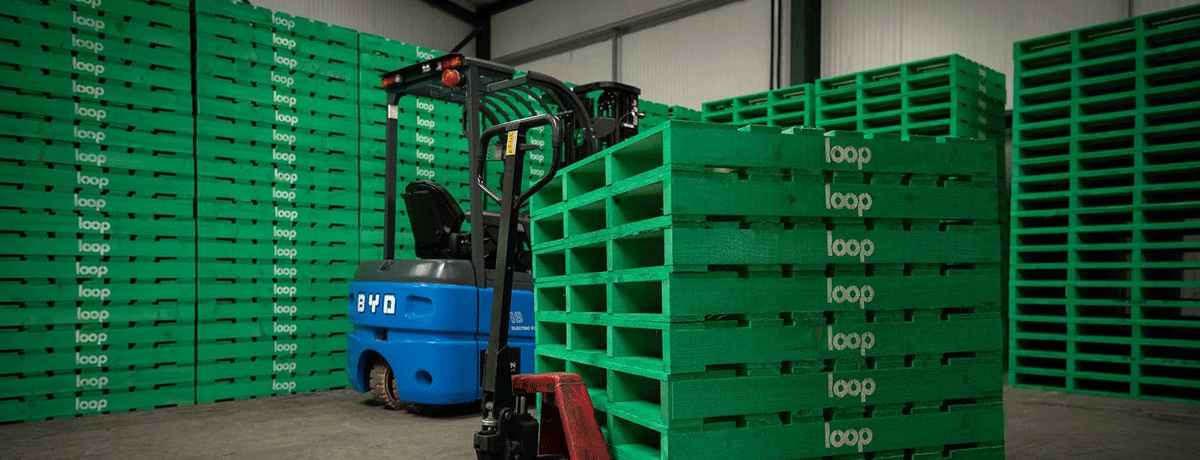
The Pallet Loop is an initiative to bring a circular economy approach to the business, organised by a coalition of transport and logistics companies. They have collaborated on a system of robust standardised pallets, designed to last longer and therefore worth returning and reusing. They’re making it easier to keep them in circulation by creating a fleet of reverse delivery lorries to return them – customers will be able to call and book in a pick-up within 72 hours. There’s even a network of repair workshops around the country to fix up any that have been damaged.
Painted a distinctive green, these standardised pallets are each individually RFID chipped so that they can be located and recovered, and to make shipments easy to track. The first ones will leave the warehouse this month and British Gypsum, which currently burns through 1.6 million pallets a year single-handedly, are the first company to commit to using them. If you’re on a building site this summer and expecting an order of plasterboard, there’s a good chance it will arrive on one of the new green pallets. You’ll receive £4 for sending it back.
One of the things I like about The Pallet Loop is that it’s not been imposed by government or hatched by an environmental campaign. It’s not a disruptive start-up trying to come up with something better. It’s come from within. The pallet industry has recognised that current practice is unsustainable, and they are working together to fix it. It’s a collaboration between timber, logistics and building material industries, finding a common solution.
I look forward to spotting some green pallets out and about sometime soon, even if it does mean less free scrap wood for my gardening projects.
 The Earthbound Report