Storytelling is vital to creating a better world, celebrating successes and inspiring further ambition. It’s why I focus on solutions and stories of progress on this site, and I do that for more local audiences through Zero Carbon Luton. I thought I’d drop in some stories from around the town, to share what I’ve been up to and in case anyone is inspired to subscribe.
Retrofitting Morton House

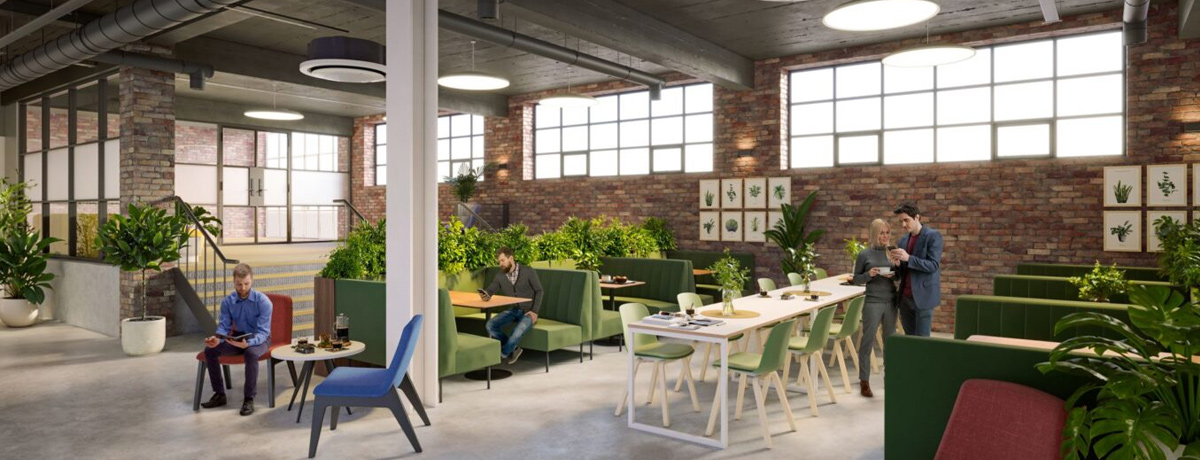
Formerly known as K Block at Vauxhall’s Kimpton Road plant, Morton House is an elegant early 1900s building that once hosted the motor corporation’s mail room and typing pool. It sat empty for many years and last week re-opened after a full retrofit.
Acquired by Luton Rising, the town’s community benefit company, it will serve as a business hub and a base for Luton Adult Learning, with a new cafe on the ground floor. At the opening ceremony last friday, I asked for a tour of the building’s sustainability features and I was glad I did, as there are many. We could start with retrofitting itself, which avoids the waste of demolishing old buildings and the embedded carbon of building new ones. Old wooden floors and stairways have been preserved and restored, adding period character to its modern facelift.
Then there are the 70 solar panels on the roof, and daylight sensors and motion sensors to turn off lights when not in use. Triple glazed windows reduce both heating bills and aircraft noise. There is rainwater harvesting and grey water recycling, and air source heat pumps provide heating and hot water.
The building is well connected to public transport and there are electric car charge points, but those commuting in by bike get the best deal here. Not only is there is cycle storage, there are also showers – and your towels are provided.
As much as possible, the furniture in the building has been sourced within the UK, with one item very local indeed: the big table in the boardroom is made from leftover wooden floor tiles. It’s a great room, and if you want to move your offices in there and boss it at that table, book yourself a viewing.
New community guide to climate action
My day job is to advise schools on sustainability, helping them to think through their priorities and develop a climate action plan. I recently got to do something similar with a broader range of people, working with the council on their new Climate Action Guide for community groups.
Lots of climate action focuses on things that individuals can do. Campaigns tend to make demands of government or international corporations. Between those two poles is a whole world of climate action that we can get involved in, but that often gets less attention: the difference we can take in our communities, clubs, workplaces, schools, or places of worship.
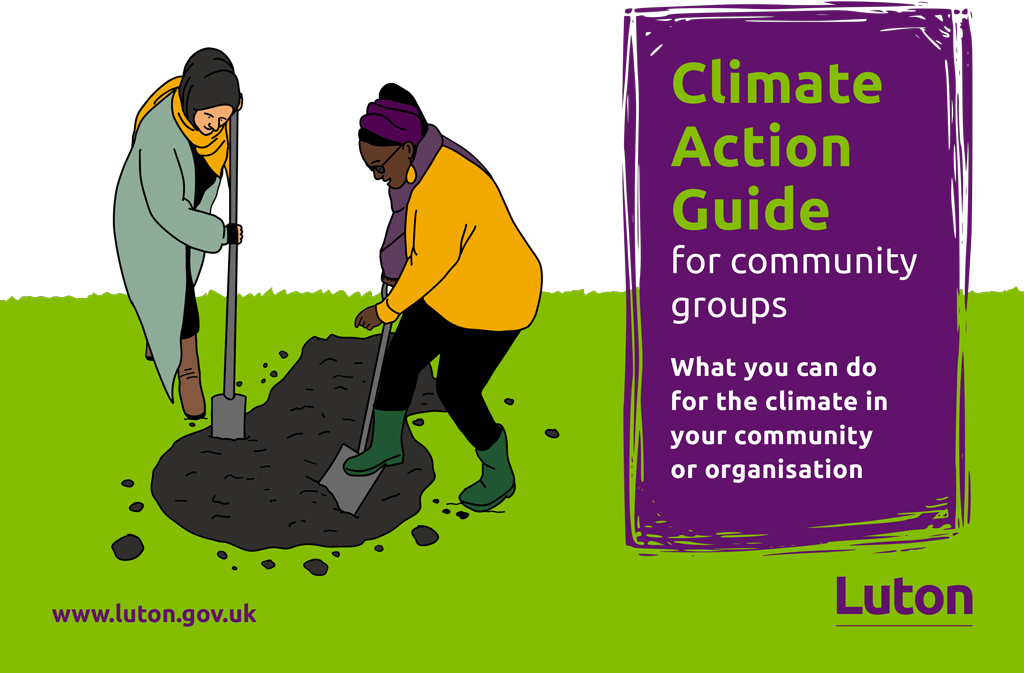
The climate team at Luton Council are already working with schools and with businesses, so next on the agenda was to engage those community groups. A number of them were recruited through the Luton Citizen’s Fund, including two Scouts troups, two churches, the cultural association Luton Keralites, Community Breakfast Club, Pride, and an Indoor Bowls Club. They all received a day of training on climate change and how to respond. Then they all received some one-to-one coaching on developing a climate action plan, and I came along to document what they were learning and write it up into the finished document.
This process helped these groups to start a conversation about climate change with their audiences, while also providing case studies of what community action looks like in Luton. The result is a guide full of real life examples and real people, many of whom feature in the illustrations by Mandy Johnson. The guide is accessible and jargon free. It’s full of practical ideas to get communities thinking about what they eat, how they travel, and the energy they use. You can download it here.
Luton’s sustainability leaders
Finally, here are four projects in Luton that have been recognised for their sustainability leadership in the last year:
- The UK’s greenest university – Every year People & Planet compile their sustainability rankings of British universities. In first place, beating 148 other institutions, is Bedfordshire University. Yes, we share it with Bedford, but I still tell everyone that the country’s greenest university is in Luton.
- Pioneering sustainable transport – The DART is the new Direct Air to Rail Transit system that links the airport to the railway station, running its futuristic little trains on what is actually cable car technology. It won two prizes at the Global Light Rail Awards last year, for Collaboration of the Year and for Outstanding Engineering. That’s a global awards ceremony which featured winners from India, Finland, Qatar and Spain. So our DART is drawing international attention.
- Ambitious water stewardship – though the Sustainable Drainage Awards may rank among Britain’s least glamourous awards ceremonies, who cares when the overall winner was William Austin School, Luton, for their incredible rainwater harvesting system?
- Sustainable small business of the year – Luton-based Green Doors collect, refurbish and sell on old doors, and they have built a successful circular economy business that was recognised with two awards at the Small Business Awards.
 The Earthbound Report