The winner of the ITDP’s annual Sustainable Transport Award was announced this week. Each year the award is presented to a city doing pioneering things in sustainable transport, and this year the winner is Salvador in Brazil. They have expanded and upgraded their Bus Rapid Transport system, shifting it to electric buses and adding an all-electric terminus where they can recharge. The city has worked on integrating the bus system with active transport, providing secure bike storage and scooter and bike-share points.
They’ve also listened to what passengers were telling them and have improved safety and accessibility. Stations now have equal numbers of male and female staff, and a dedicated welcome team to provide assistance to anyone that needs it. It’s a more user-friendly system, and a nice example of a city using infrastructure to create a fairer society and improve quality of life.
However, I’ve written about Bus Rapid Transit systems before, and so my eye was drawn to the honourable mention category and Kochi in India. They have just missed out for their water metro, and that’s not something I’ve written about before. So with all due respect to Salvador and their excellence in buses, I’ve given Kochi the headline here.

Kochi is a port city in Kerala, with a population of over 2 million people across its wider metropolitan area, which sprawls across a peninsula and several islands. These fragmented communities are accessed through a network of waterways known as the backwaters, and residents previously relied on old and slow ferry journeys, or long detours by road.
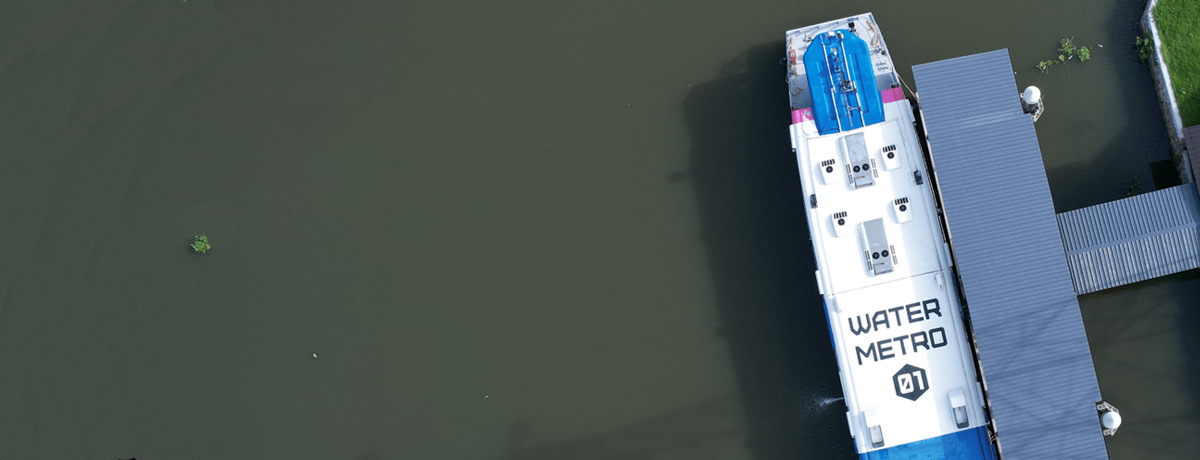
In a first of its kind public transport system in India, Kochi has invested in electric-hybrid boats and integrated them into the wider metro system. Passengers board the Water Metro at stations through the usual ticket gates, allowing seamless travel between boat, bus or rail. It’s been a game-changer for island residents. The 78 boats are fast and reliable, with journey times dropping from an hour to 20 minutes, for a cheaper ticket price.
The boats help to reduce traffic on the roads. As they are electric, they run silently and with no pollution into either the air or the water, while their low wake design minimised disruption to the wetland ecosystem.
Here’s a video showing off the system, courtesy of the Kerala tourist board. A word of warning – you might want to turn down the volume a little before you press play, due to some excitable music.
 The Earthbound Report