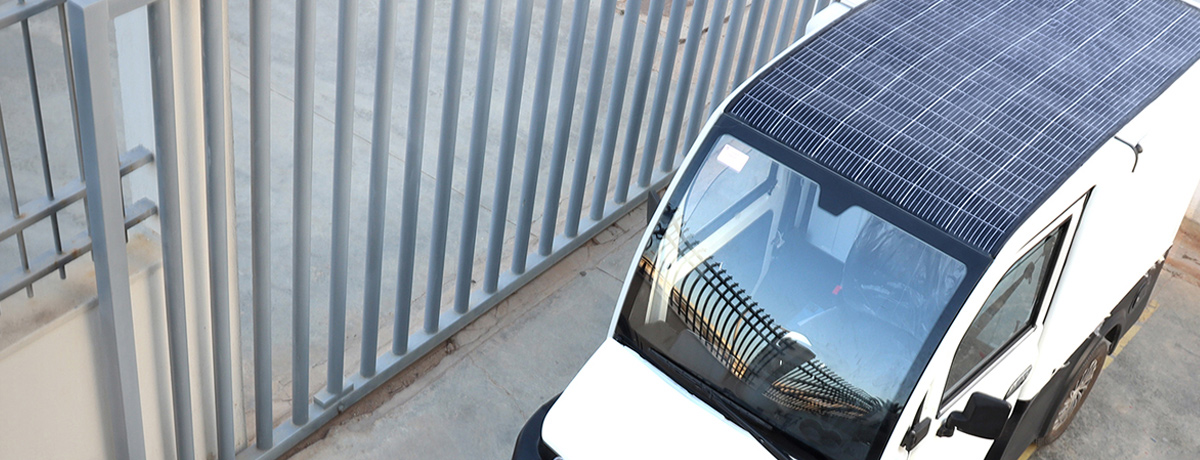
Bako Motors is an automotive start-up making electric vehicles in Tunisia, specialising in vans and micro-cars designed for urban use and last mile deliveries. On the roof is the most obvious and most bizarrely neglected feature in the car industry: integrated solar panels. For Bako it’s a key selling point, and it makes them a forerunner in what I expect to be the future of road vehicles.
The best-selling car of this century won’t be a Tesla, not unless it dramatically shifts its business model. It won’t come from the legacy auto makers of Europe or Japan. Why? Because those companies make cars for people who already have cars, and that limits their imaginations. The cars that will sell tens of millions in the next decade will be designed for people who haven’t owned a car before. Perhaps they have a scooter or a motorbike, maybe a three wheeler. These cars of the future will be a minority interest in the saturated markets of the North, at least initially, but they will sweep the market before them in the global south. And they are likely to share four key features. They will be simple, lightweight, electric, and solar powered.
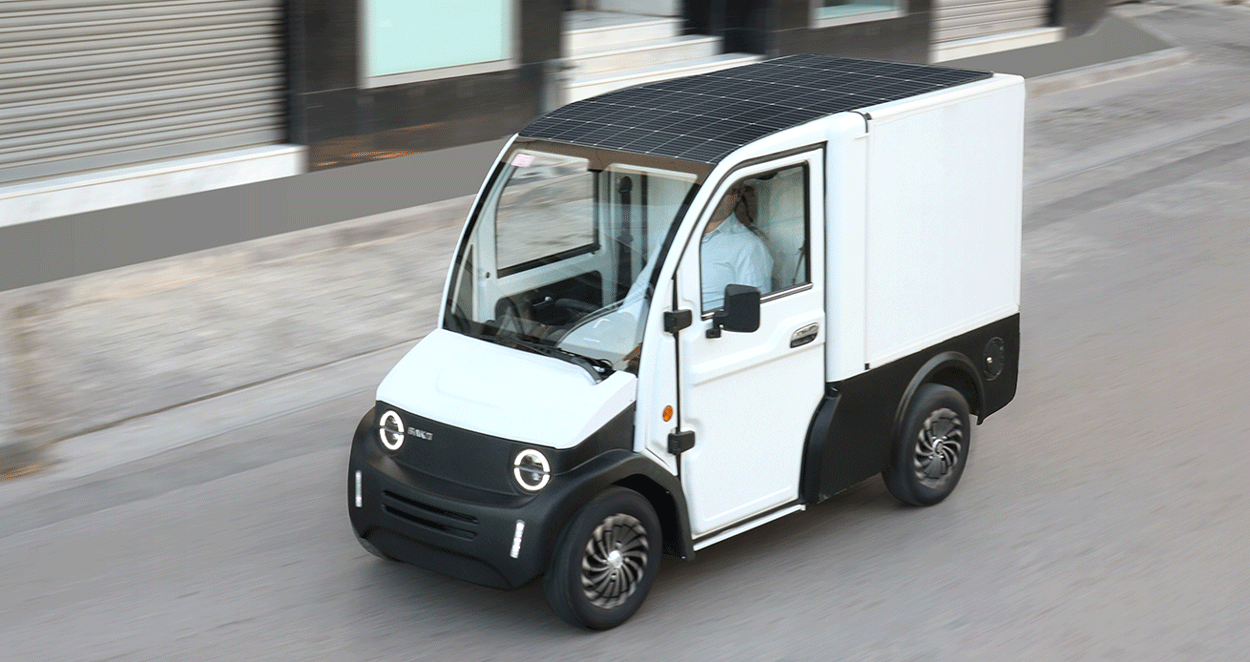
Simplicity is important because it keeps things manageable at the local level. There’s less to go wrong and people can repair them themselves. Local repair shops won’t need sophisticated diagnosis systems and tools. It also keeps costs down, leaving out the fancy interiors and expensive extras. EVs of the future will be lightweight, keeping material needs low and prices down. It also gives them a longer range. They’ll be electric, because that taps into local energy provision rather than imported fossil fuels. And they’ll be solar, because you can run them for free.
Drivers in gloomy countries like the UK could easily miss this, but solar energy is abundant in the places where future vehicle demand will be highest. You might need to top up from the mains occasionally or charge overnight in certain seasons, but drivers across the Middle East, Africa and Asia will be able to get much of their mileage from rooftop solar panels. Bako suggests van owners will get about 30 miles a day from the solar roof, adding up to over 10,000 free miles a year.
Fuel is a significant cost for vehicle owners in developing countries, particularly for delivery drivers and taxi operators. Low running costs are already a major selling point for electric motorbikes and three-wheelers, with electric tuk-tuk drivers in India making 30% more money. Add solar to the vehicle as well and you can improve that even further, lifting families out of poverty as well as reducing emissions and air pollution.
Regular readers might remember previous posts along these lines, as I’ve been banging the drum for solar cars for a long time. So far this is a huge missed opportunity, though several have tried. I reckon the Swiss Catecar Dragonfly was the first to realise the potential, back in 2014. They no longer exist. Then there was the Scion from the Netherlands, which collapsed, and the Aptera in California, which is floundering. Others attempted integrated solar in the luxury market, which I’m not counting, but they weren’t any more successful. What they all have in common is that they were start-ups, and this doesn’t bode well for Bako. It’s incredibly difficult to break into the automotive sector. The capital costs are extremely high, and there’s a long history of companies with great ideas that they failed to get to scale.
I suspect it won’t be Bako themselves that builds the best-selling EV of the 2030s. I expect it will be a Chinese auto maker, somebody with global reach and economy of scale. But I expect it to look a lot like what Bako are doing – simple, lightweight, electric and solar powered.
 The Earthbound Report