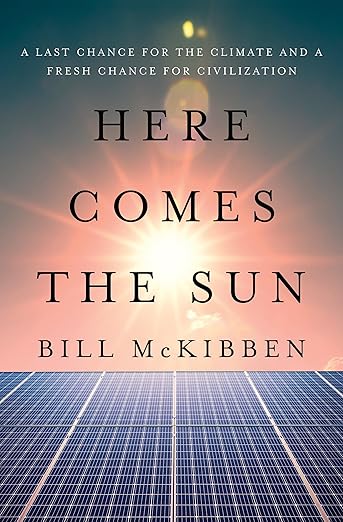
Bill McKibben is not a man known for his cheerful disposition. His books include The End of Nature, one that suggested we should rename the Earth now that we’ve ruined it, and Falter: Has the human game begun to play out? This new book bucks the trend. “Right now, really for the first time, I can see a path forward,” he writes. “A path lit by the sun.”
As the book goes on to describe, a significant transformation of the energy system is well underway. The cost of renewable energy is now lower than fossil fuels, and people are filling their proverbial boots. Enough renewable energy has now been built that it is no longer additive – simply layered on top of the fossil energy system – but displacing coal, oil and gas.
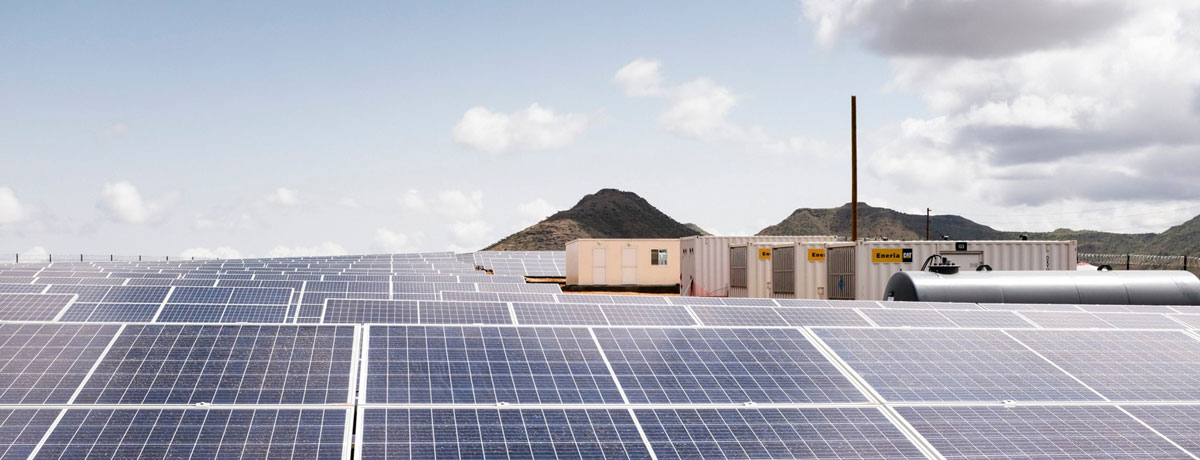
Here Comes the Sun is a celebration of the energy transition, and the new world that it is creating. The spread of solar power is a democratizing force. For those who’ve been paying attention, authoritarian forces have often depended on fossil fuels, or done terrible things to ensure their ongoing supply. Renewable energy undermines that power base. It also unlocks a whole range of other benefits, such as reduced pollution and better health.
Committed naysayers will of course have their objections at the ready. There aren’t enough resources. It’s too expensive. The poorest will still need coal. Et cetera. McKibben anticipates these questions and they each get a chapter. As a journalist first and a climate campaigner second, McKibben runs the numbers and makes a clear and balanced case. We can afford it, actually. Even in the poorest countries. There are enough resources and enough land.
Another easily forgotten factor is that fossil energy is so riddled with inefficiencies that it might be easier than we think. Clean energy doesn’t need to match today’s energy consumption, because many of its key technologies are so much more efficient. A tenth of all the energy used today is in the mining, processing and transporting of fossil fuels, so we can scrap those emissions for a start. 40% of all shipping is for fossil fuels. And since we don’t have to constantly set resources on fire, a renewable energy system will require a fraction of the mining we currently do – “the sun burns so we don’t need to”.
Obstacles remain. Speed is the biggest challenge, and it was McKibben himself who wrote that “winning slowly is the same as losing” when it comes to emissions. The Trump administration is deeply committed to fossil fuels, and some state and local governments are holding back wind and solar. That won’t be able to stop the momentum, not in the long term, not when others are already reaping the gains of the energy transition. California is on track for 100% clean energy by 2035, and it’s hard to insist that it’s impossible when your neighbours have just done it. When they see the difference it makes, Republicans and Reform voters will want renewable energy too.
There’s a lot to be optimistic about in this short and pithy book, though if you’re a regular reader of this website, I would hope that you already know many of its big messages. This moment has been coming for a decade. Now that it’s here, the green movement needs to make the same pivot that McKibben has taken and get on board. “When you’re good at saying no, then yes takes some practice,” he admits – and there’s plenty to resist and say no to for the foreseeable future. “But the job now is not just to block things – it’s to build good ones.”
- You can get Here Comes the Sun from Earthbound Books
- See also: The Switch, by Chris Goodall, which made the same case ten years ago.
- Previous McKibben related posts
 The Earthbound Report