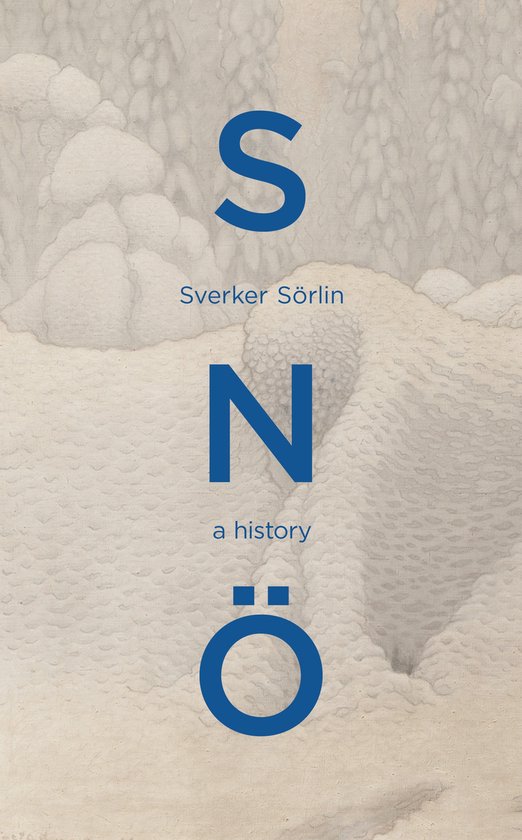
We had a brief flurry of snow a couple of weeks ago, just enough to get the kids’ hopes up for a snow day and not enough to deliver. I did however take the opportunity to read a book that I’d be saving specially, Sverker Sörlin’s Snö: A History.
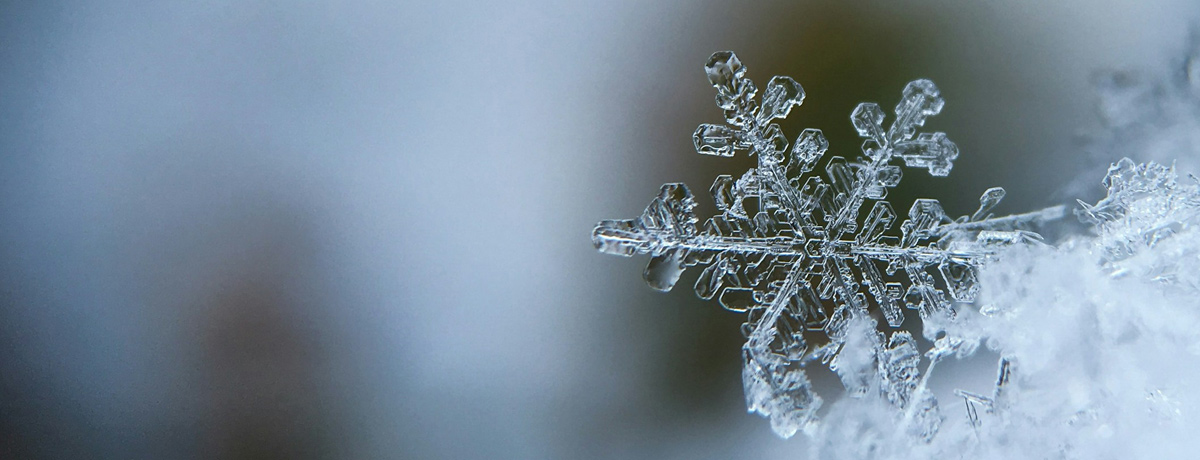
It’s a book that’s rooted in a deep love of icy precipitation. Sörlin hails from Lapland, where snow is a very normal part of everyday life. He nevertheless has an abiding sense of wonder and joy in the stuff, and there’s a giddy enthusiasm for snow that makes the book a pleasure to read. Chapters look into the science of snowflakes, the way that it shapes cultural norms, the way that people have thought about it over the years and in different contexts.
Although the name suggests a history book and the author is himself a historian, it’s also more than that, dipping into a variety of other topics. It describes the science of snow and our growing understanding of it, as scientists found new ways to study snowflakes and their crystalline structure. It investigates snow in art, comparing artistic traditions in Scandinavia with those in Japan. Snow can also be political, Sörlin points out, and it has been used in nationalism and propaganda. The imagery of winter sports appealed to the Third Reich, who hosted the World Ski Championships and the Winter Olympics.
There are all kinds of interesting details along the way, including diversions into the cliches about how many words for snow there might be in Arctic languages – 301 in Saami, by one estimate. There’s a chapter about the invention of suncream, which was developed for use in snowy landscapes before it was ever applied at the beach. The legacy endures in the brand names Nivea, which means snow-white, and Puiz Bin, the name of a mountain in the Swiss Alps.
There is of course something slightly ominous about writing a history of snow, as if it is a historical feature rather than a live form of weather. And of course snow is in decline in our changing climate. Most snowy places are seeing a fall of three to five snow days per decade, and in some areas it has all but disappeared. The book explores the ‘snow grief’ that comes with this realisation, and by token the ‘snow relief’ experienced when the first snow of the year falls in uncertain times.
There’s a lot of about climate change in the book, which is why it’s getting a review here. Sörlin, who is known as a science communicator as well as a historian, explains the role that snow plays in keeping the world cooler. Much of this is through albedo, helping to reflect heat back into space. Melting snow is a feedback loop that accelerates global warming.
Absent snow has other consequences too. There are regions that depend almost entirely on snow melt for their water supplies, so a snow-less winter means drought. It has economic consequences in places that rely on snow for tourism and sports. There is a cultural loss, investigated through the ceremonies that some have conducted to say goodbye to glaciers. Among them is the Okjökull glacier in Iceland, and since ‘jökull’ means glacier, the site has been renamed Ok as if in resignation to its fate.
There’s a spiritual loss too, the author suggests. In its transformative magic, snow seems to suggest that other worlds are possible. This is a gift, “an act of grace”. Losing snow to climate change erases this grace, abandoning us to a world of our own making.
Despite its warnings, Snö is a book that carries its message lightly, and sadder chapters tend to alternate with more positive ones. Read it through or dip in and out of it. A renewed sense of wonder awaits.
- Snö is available from Earthbound Books

