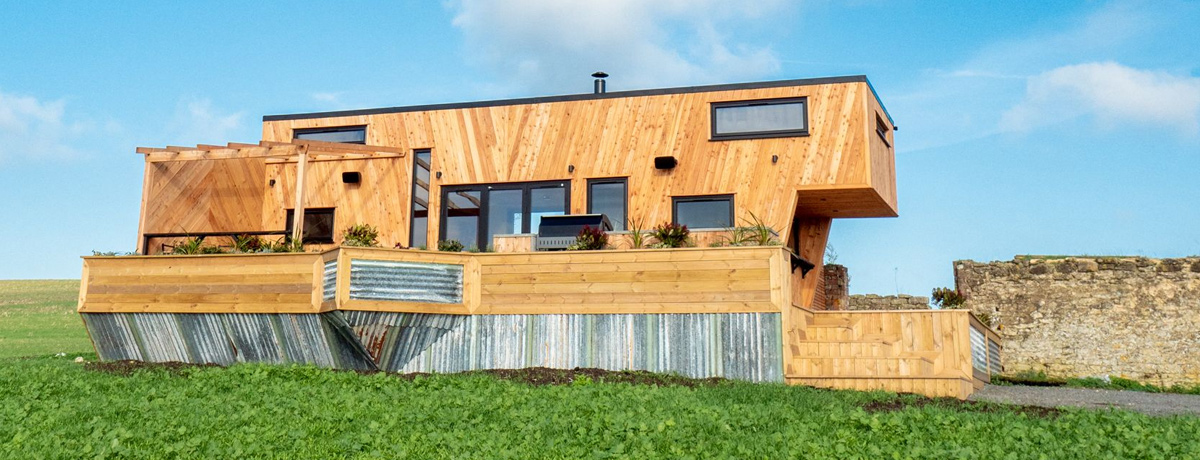
Tiny houses are entirely normal in many parts of the world. In developing countries, they’re very much a lifestyle choice, and in recent years a bit of a movement has emerged around the idea. Living in a tiny house is about simplicity. There’s no room for lots of stuff, and you have to be deliberate about what you own. It’s also cheap. Small homes cost less to build or to buy, and they cost less to run. Energy bills are low when there is less space to heat and fewer appliances to run. So there are advantages for those who want to live that way.
There are also obstacles to it. There are cultural objections to overcome, and the prevailing opinion is that bigger is better. It’s a big change of lifestyle as well, an all or nothing commitment to adapt to that obviously isn’t for everyone.
There are specific obstacles to tiny homes in the UK as well: there’s no planning permission category for a tiny house. They are classified as a caravan on the basis of size, even if they’re nothing like a caravan. That limits where you can put them and that has held back the movement. Despite TV documentaries and lots of curiosity, it hasn’t really got off the ground here. It tends to be limited to holiday rentals rather than permanent homes, and there are only an estimated 200 people living in tiny homes in Britain, compared to 10,000 in the US.
That’s a shame, because tiny homes could be a good response to a housing market that has run out of control. Home ownership is beyond many young people and those on lower incomes, and exclusion from home ownership is a big driver of wealth inequality. A standard bricks-and-mortar house is too expensive, and often vastly overpriced for what you get. There are more innovative answers out there for starter homes, students, single occupants, or people who want to live more simply, in both urban and rural areas.
One company that is trying to give the movement a push is Minor Homes, from Dorset. They design tiny homes to order, and their approach is to make modern, desirable small houses that cost a third of the price of a standard brick house. Their homes are designed to be bright and sleek, crafted from UK grown timber, sustainable in construction and in occupation.
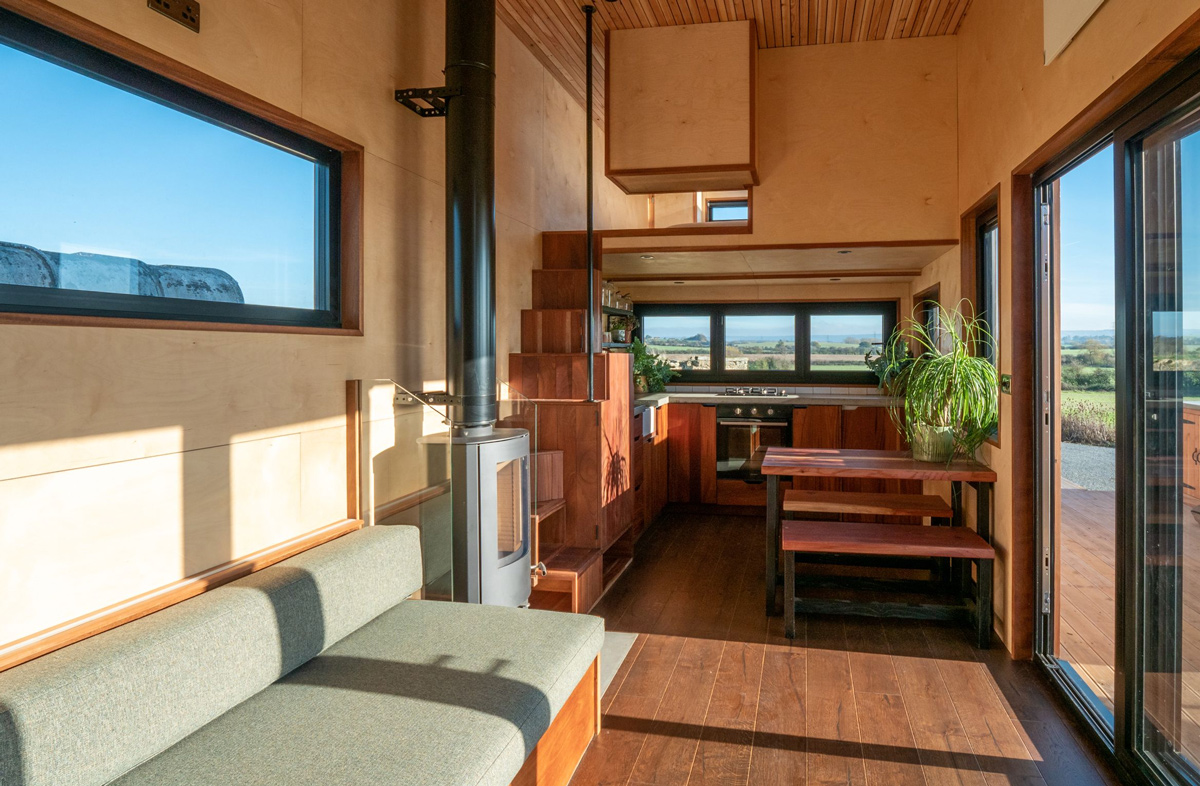
“The construction of our homes is exceptionally low carbon, the energy use required to heat and run one is extremely small (or often off grid) and they enhance their inhabitants lives hugely” says founder Ross Clark. “We view tiny house living as a genuine alternative no mainstream housing; not a compromise to it.”
That’s a really important point: small homes as a solution to the housing crisis doesn’t mean shunting people into caravan park prefabs or high density habitation units because that’s all they can afford. Nobody living in one of Minor Homes’ dwellings would think they’ve got a raw deal, unless they’re trying to raise a big family in one. This is a small home that’s aspirational. The ZedPod is similar, and better suited to urban contexts.
How could we encourage more homes like this? Can we imagine positive, empowering tiny house solutions?
 The Earthbound Report
https://kwmc.org.uk/projects/wecanmake/ did you see this Jeremy? I tried to tag you on fb but not sure if it worked. There’s an interesting project local to us as well – The Common Ground Project Lyme Regis which has tiny houses as part of its vision.
Great analysis, I love how you really went in-depth with everything it really projects what one needs to know about Building of the week: Minor Homes. You have done an excellent job with this content I must say.
Minor homes are a fantastic example of how we can build efficiently and sustainably. By utilizing space wisely and embracing nature-friendly materials, these homes exemplify the importance of revegetation and planting to enhance our living spaces. Let’s take inspiration from such initiatives and make greener choices in construction.