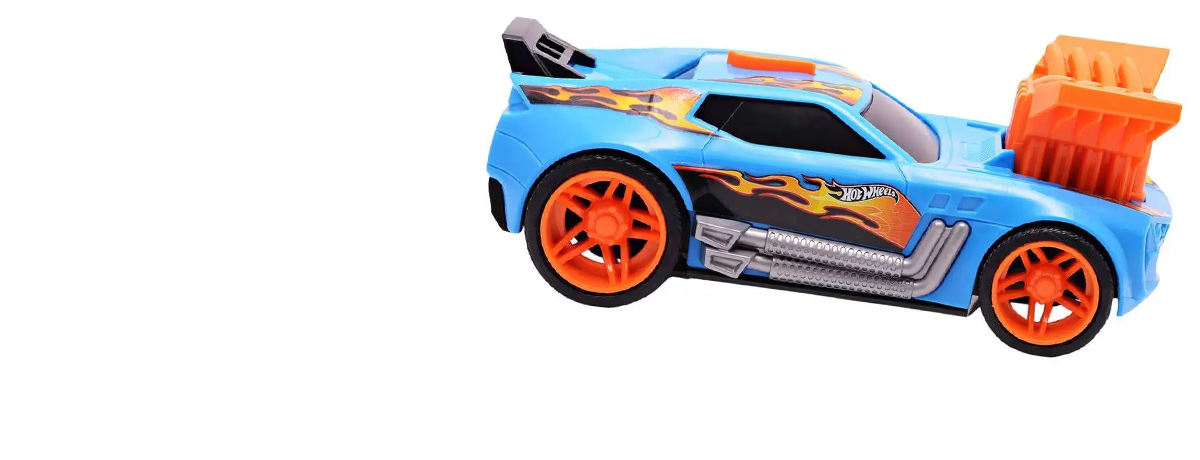
Play is a vital part of development in us humans, as it is for many animals. It’s fun, and it’s also how we rehearse what life is all about. Children develop interests through play. It uses their imagination and also shapes their imagination, engaging their creativity, teaching them cooperation and helping them to make sense of the world. So it matters what we give children to play with.
Pay a visit to the toy shop in my local mall and you’ll find some common themes. There are some bestsellers towards the front, and then the back end of it divides neatly into two aisles – a very blue boys side, and a very pink girls side. There’s more diversity than there used to be, but some enduring gender roles too. Boys drive cars, build stuff and make war. Girls dress up, cook and look after babies. Lots of toys that could be for anyone – construction tools, play kitchen stuff – are coded by their placement or the colour of the packaging.
Plenty has been written about how gender norms are reproduced in toys. This being a sustainability website, I’m interested in how sustainability norms are also reproduced through toys and through play.
One of the most prominent aspects of that would be car culture. Cars feature extensively in toys for boys, though Barbie has her convertible too. Certain kinds of cars dominate, mostly fast ones. The emergency services are well represented, and the military – but mostly it’s the fast ones. The leading brand of toy car, Hot Wheels, practically fetishises the combustion engine. Their cars feature outsized exhausts, air intakes, protruding engines so exaggerated that you wouldn’t be able to see out the windscreen if it was real. The driver is immaterial here – it’s all about the technology, the power, the vroom vroom.
Playing with cars involves racing them a lot of the time, but I also remember lining mine up in traffic jams. And of course driving them to the petrol station and in and out of parking lots – preferably multi-storey ones with spiral exits.
Beyond cars, toys have ways of normalising consumerism and aquisitive individualism. There are character dolls with lots of accessories and luxury goods, usually aimed at girls but not exclusively. There are also whole ranges of toys where the main point is to own as many of them as possible. They’re designed to be ‘collectable’, sometimes with limited editions and premium options. Some of these have zero play value and don’t do anything, so they only exist for the purpose of being coveted, bought, and then ignored.
There are some toys best avoided, or at least worth a conversation. But how do we change expectations and norms, while still respecting kids’ freedom to play with the things that bring them joy?
The first thing you can do is just not buy things you disapprove of, but kids know what they want, and that may or may not work. As any parent knows, you’re not 100% in charge of the toys that come into the house, and friends and relatives may or may not see things the way you do.
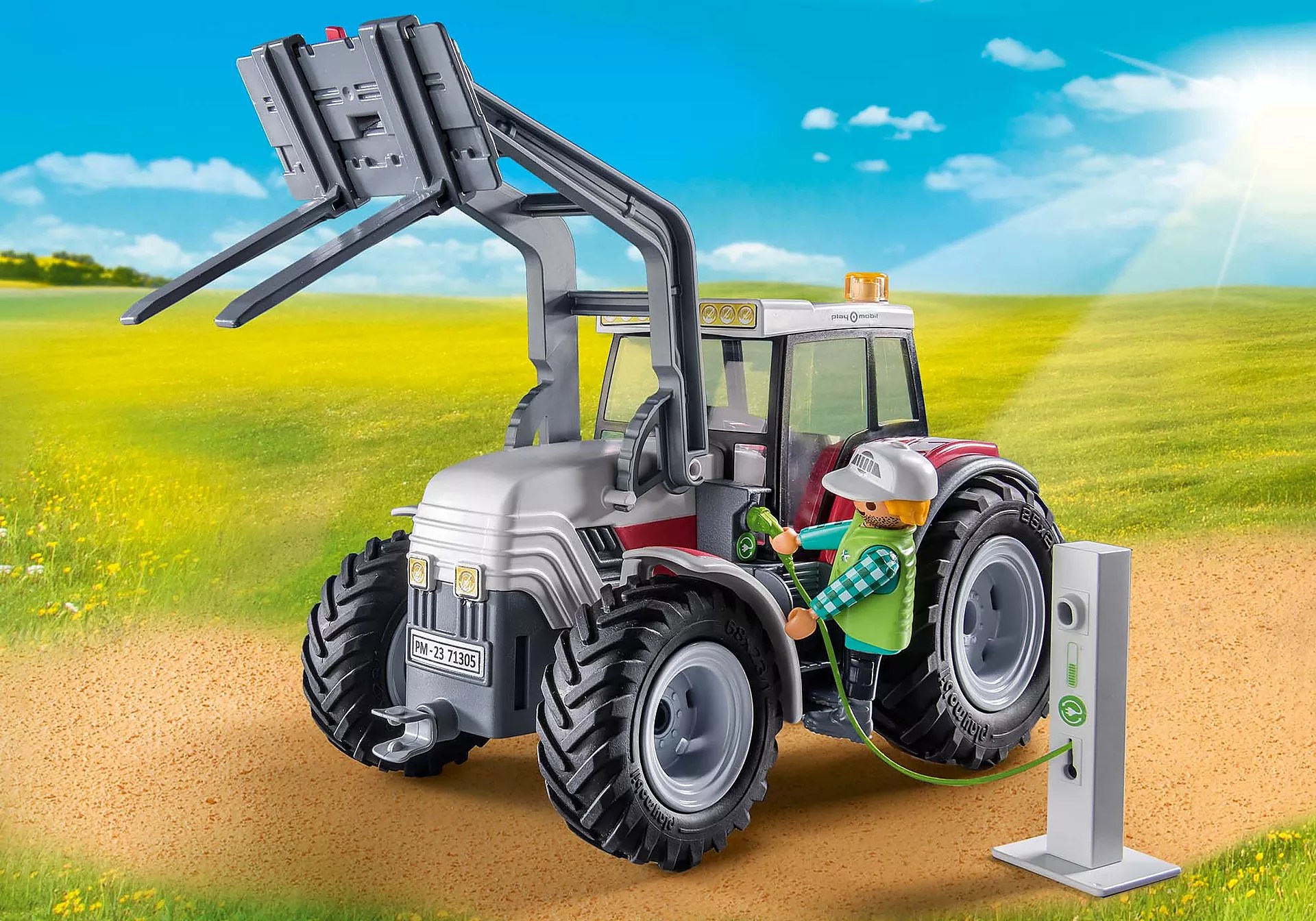
A more powerful way to pass on sustainability is to embed it in the toys themselves, so that it’s normal and it’s for everyone. The nice thing about this is that it is positive. It’s not about taking anything away, but modelling the change that we need to see in the world. There have been some nice examples of that recently.
Take Playmobil. They’ve had a tractor in their portfolio since I was small enough to lose in a wheat field. Kids love tractors, and theirs always have a variety of trailers and functional elements to break enjoy. The 2023 edition stands out because it is conspicuously electric. It has a cable and a charging point. It turns the fact that it’s electric into a play feature. Mattel does the same thing and includes a little charging point with one of the newer Barbie convertibles.
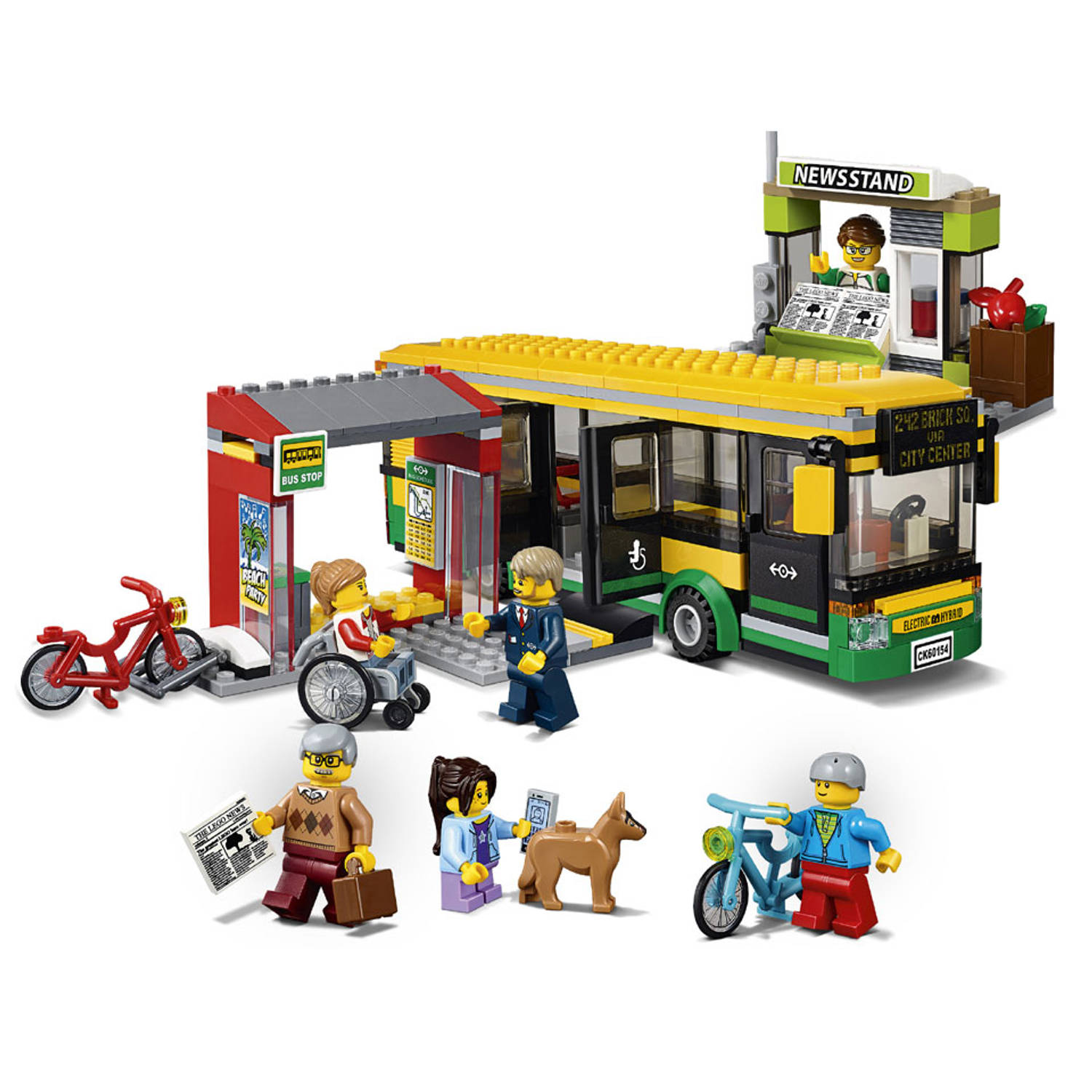
There have been similar things happening in the Lego catalogue recently. A new town centre building comes with solar and micro-wind turbines. There’s a little house with solar panels on the roof and a charging point in the car port. You can still queue your Lego cars in traffic, but the basic road plates now come with solar powered streetlights.
Sure, we can do better than private cars, so how about a bus (which is specified as an electric hybrid)? This one has bike storage at the bus stop, making it an example of integrated transport. It has bike racks on the back of the bus too, something that is familiar in many parts of the world and unknown in the UK. Again, this is a sustainability feature that is really fun – who wouldn’t want to hook tiny bikes on the back of their toy bus?
These are small things, but they matter. They’re not being sold as the green option among others. This is a toy bus, and this is what a bus looks like. That makes it normal. It resets expectations.

It doesn’t get us very far into dealing with consumerism, but perhaps it helps to make the energy transition real for children. It feeds young imaginations a future beyond the fossil fueled status quo.
Even Hot Wheels can do that when they set their minds to it, as evidenced by their ‘Solar Reflex’ model.
Have you spotted anything else out there that’s moving in the right direction?
 The Earthbound Report
Thanks for a great insight-giving article – not something I’d given much thought to, but now I see how important this area is..
Shared this with all the Global Citizenship Leads in our 14 schools! Thanks Jeremy as always for finding those little nuggets sitting there wait for us to put it through a sustainability and global citizenship lens. Much appreciated 🙂
Thanks!