In the linear economy that we have grown accustomed to, things are made and used and then thrown away. Materials make a one way trip that eventually ends in the dump. It’s a formula for resource depletion, waste and pollution, and it is ultimately unsustainable.
The broad solution to this is a circular economy, where materials are reused in an endless loop. Things are built to be durable, they are reused and repaired, and when they reach the end of their lives they can be recycled or remanufactured. More and more industries are recognising the benefits of that approach, with a growing number of products designed with the end in mind. Among the examples I’ve covered recently are cars, jeans, pallets and trainers, right up to entire buildings.
That last example is perhaps the most ambitious form of circular economy thinking. The circular economy invites us to consider every form of ‘waste’ to be an input for something new, and that can include construction. Some buildings are now being designed for dissassembly, which makes the process much easier. It treats buildings as a materials bank for future generations, rather than a waste problem for them to deal with decades down the line.
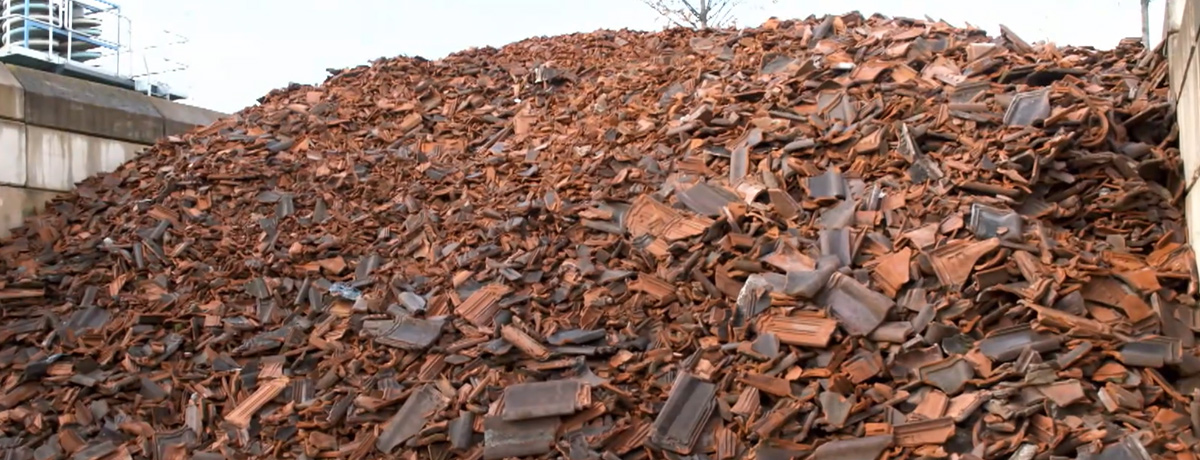
No modern building designed for dissassembly has yet reached that point, but companies can still extract materials from conventional buildings that have reached the end of their usefulness. Rather than demolish them and dump the rubble, they can be catalogued, processed and reused through ‘urban mining’.
Here’s a really nice example from DW.com’s Planet A series, showing how an abandoned US army base in Germany is being recycled and reused. Some of the buildings will be renovated and incorporated into new neighbourhoods. Others are being broken down for materials, and the town of Heidelberg is developing an innovative process to do it.
 The Earthbound Report
Exciting! (I came across circular economies in some research I was doing for my MPS/SMBA! Fascinating!)