Climate action is often portrayed as a middle class concern. I’ve been told on many occasions that organic food and electric cars are all very well for those that can afford them, but are not for the likes of me and mine. Green issues are at best seen as an indulgence, and at worst an imposition.
Politicians are able to exploit this to delay. Last year former Prime Minister Rishi Sunak sorted the country’s climate targets into seven different bins in an ill-fated gamble for votes. He insisted that we had to reduce emissions “without imposing costs on hard-pressed families.” That’s hard to argue with as a principle, but if the cost of the transition is falling on working families, that’s the fault of government policy. It’s not inevitable. It’s perfectly possible to fund and deliver clean energy in a way that benefits those at the margins.
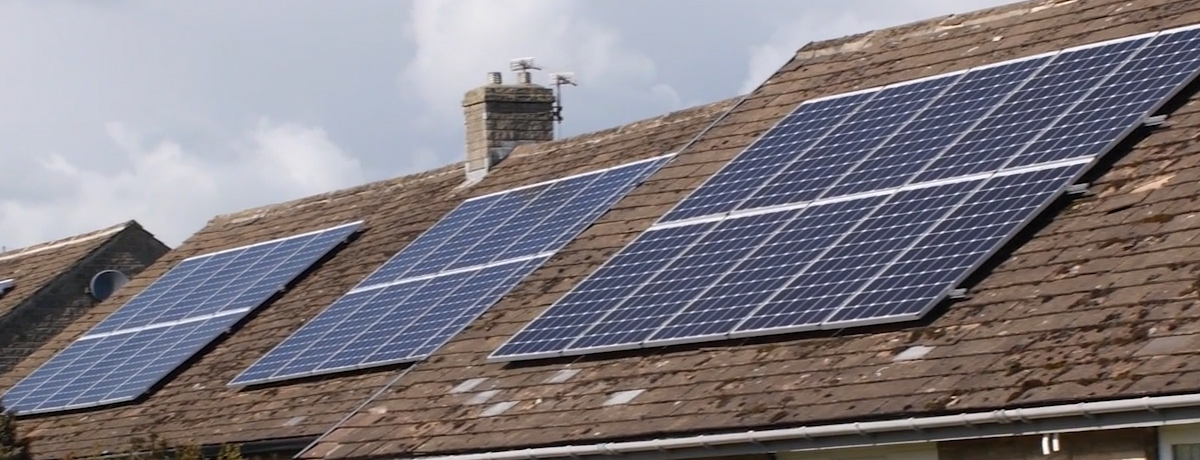
For an example, see Energise Barnsley. It’s a community energy company set up by the council and partners, and it installs solar and batteries for elderly residents in the Yorkshire town. Their efforts earned them as Ashden Award recently, and here’s the video that was made about their work:
Projects like this one give the lie to the idea that climate action is an expensive luxury. There are many co-benefits to renewable energy, and we can deploy them intersectionally to solve multiple problems at once. We need more local energy projects, and the good news is that the new Labour government plans to put community energy at the heart of their decarbonisation strategy.
Another reason to mention Energise Barnsley now: if you’re inspired by what they’re are up to, they have just opened a bond campaign with the Ethex investment platform. You can join the crowdfunding effort, make an investment and help to bring more renewable energy to those that will benefit from it most.

