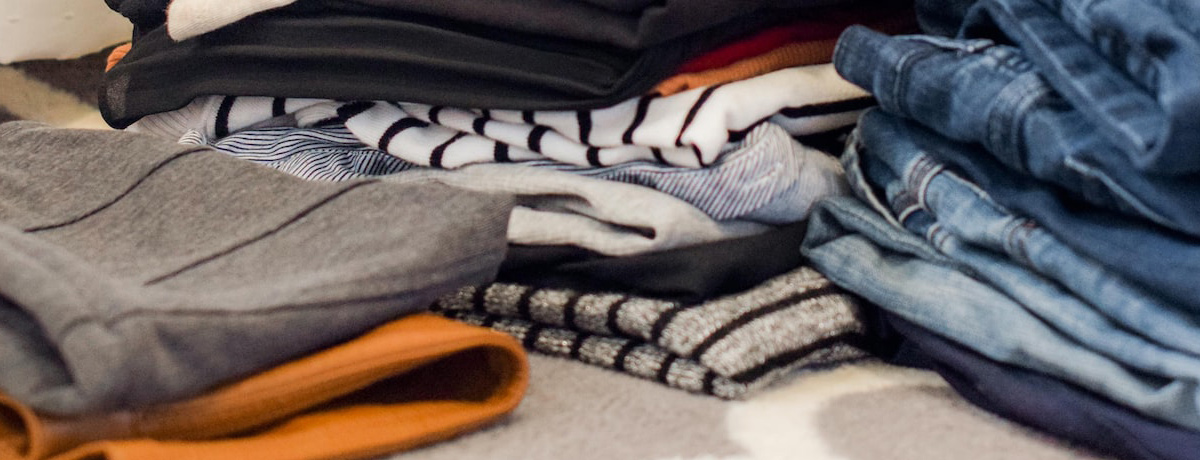
A study by WRAP and the University of Leeds found “no correlation between price and durability” of t-shirts. Expensive ones didn’t last longer before losing their shape or pilling. This rather plays into the hands of fast fashion that sells cheap and with low expectations – if you can’t trust more expensive brands to be better, why spend the money? On the other hand, it also rewards brand loyalty when you find a clothing company that makes things well.
A few years ago Toast introduced their beer made from unsold bread at bakeries, and highly quaffable it is too. Beyond Belief Brewing are doing something similar with pasta. Always great to see a business creating value out of waste, though I am curious to know where all the ‘surplus pasta’ comes from.
Otterpool Park is a sizeable new development in Kent that could be an ‘all-electric town’. The Guardian describes how homes will have electric heating, with solar and batteries at the household and grid level. It’s built on the garden city model, which remains a kind of ideal living environment in the popular imagination. In reality they tend to breed car dependence and sprawl, so I hope the developers are alert to the design flaws of previous attempts.
A company in the Netherlands has installed the first grid-connected iron-air battery in the world. This is a type of low-cost battery for long-term energy storage and I won’t attempt to explain the chemistry. It caught my eye because it can be made entirely from materials sourced within the EU, opening up the possibility of local production and short supply chains.
This week’s articles below, and then I’m off for a few days.
Latest articles
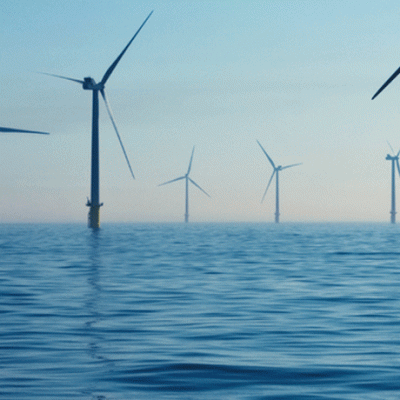
Renewable energy is almost always cheaper
Rewind back a decade, and fossil fuels were the cheapest form of energy almost everywhere on the planet. There were just three countries where wind power was out-competing coal and gas, and solar was always more expensive. That changed fast. Over the next five years wind power became the cheapest form of energy generation in…

How climate action can support the arts
Pay someone’s electricity bill, and you keep their lights on for another month. Pay for their solar panels, and they’ve got cheaper electricity for a decade or two. I risk echoing that cliche about teaching proverbial men to fish here, but solar has a way of multiplying its impact over time. A church near me…
 The Earthbound Report
Your post caught my eye because recently I sent away for some polo shirts for my husband from the same company as those bought at least ten years ago, which have lasted and washed well. These looked good, were quite expensive but, unlike the originals needed quite a bit of ironing, thus using time and more electricity. I noticed that the former had 10% man made fibres rather than the 100% cotton. The dilemma is which is better for the environment, and which is best for my patience when faced with a whole load of ironing! Great new ideas coming on to the market though. Thanks for the article.