Back when the climate movement was young, we got a lot of tips for cutting carbon with very little context around them. My personal favourite was at LiveEarth, where celebrities offered their favourite eco actions. One of them was to switch off your phone charger at the wall when you’re done. This was recommended to a global audience of millions, despite the fact that if you diligently switched off your charger in this way every day for a year, you would save less energy than you use in a single second of driving a car. Nobody mentioned driving less, although this was 2007 and peak time for celebrities in a Prius.
I like to think that we’re better informed today, though there are still plenty of misconceptions. General ignorance around energy consumption remains, which is why there was a campaign recently in the UK to educate people around efficient cooking methods. The rise of the air fryer owes something to this campaign.
One useful educational tool for energy comparisons is the new website from Hannah Ritchie, author and data scientist with Our World in Data. Simply called ‘Does that use a lot of energy?‘, you can compare a host of different appliances and activities. For example, does a heat pump use more energy than a gas boiler?
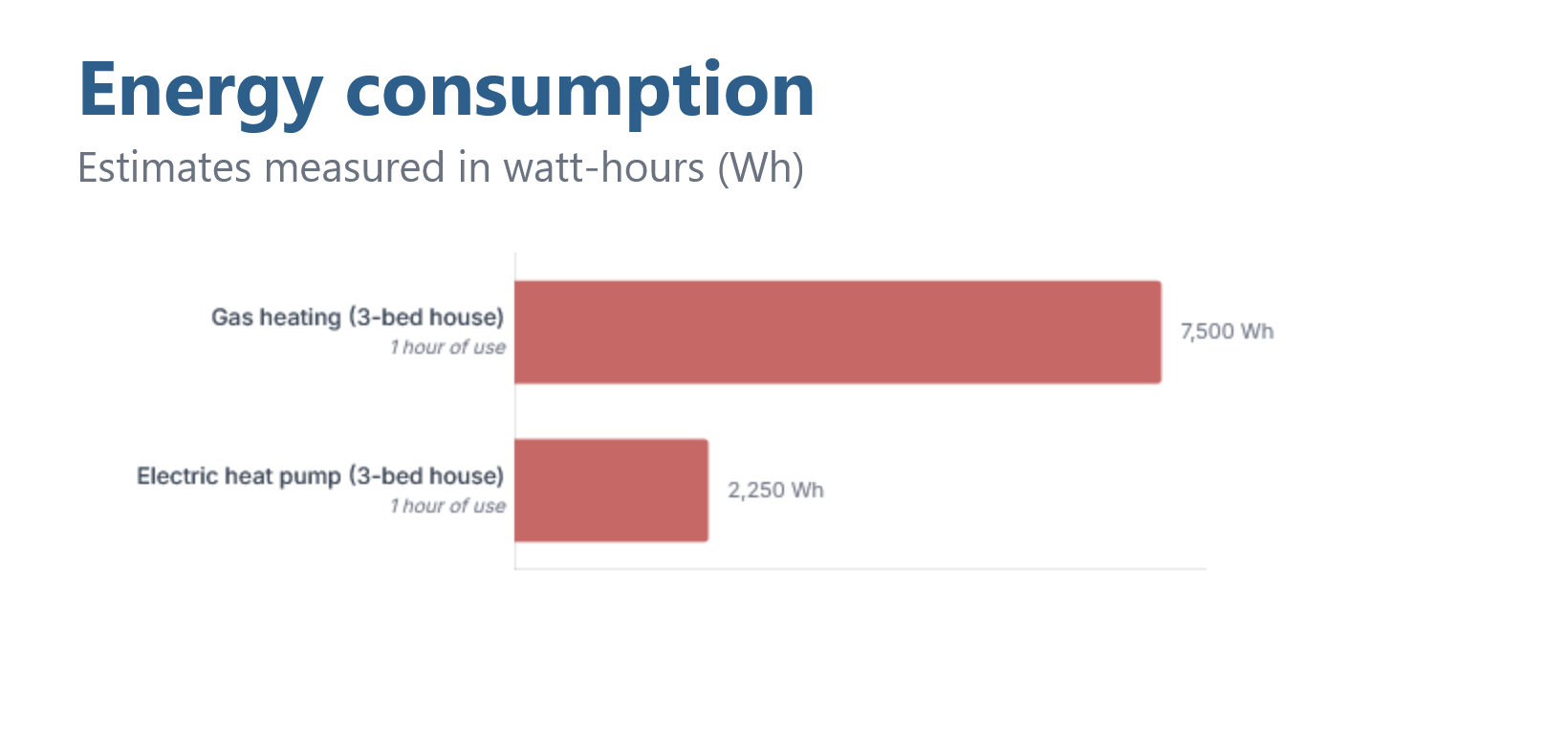
Short answer: no, because a gas boiler makes heat, and a heat pump harvests it and moves it indoors, which is a much more efficient process. Likewise, electric cars use a lot less energy, not just different energy. This is one reason not to panic about our capacity to meet our energy needs with renewable energy – clean technologies use less of it, so it’s not a like-for-like swap for fossil fuels.
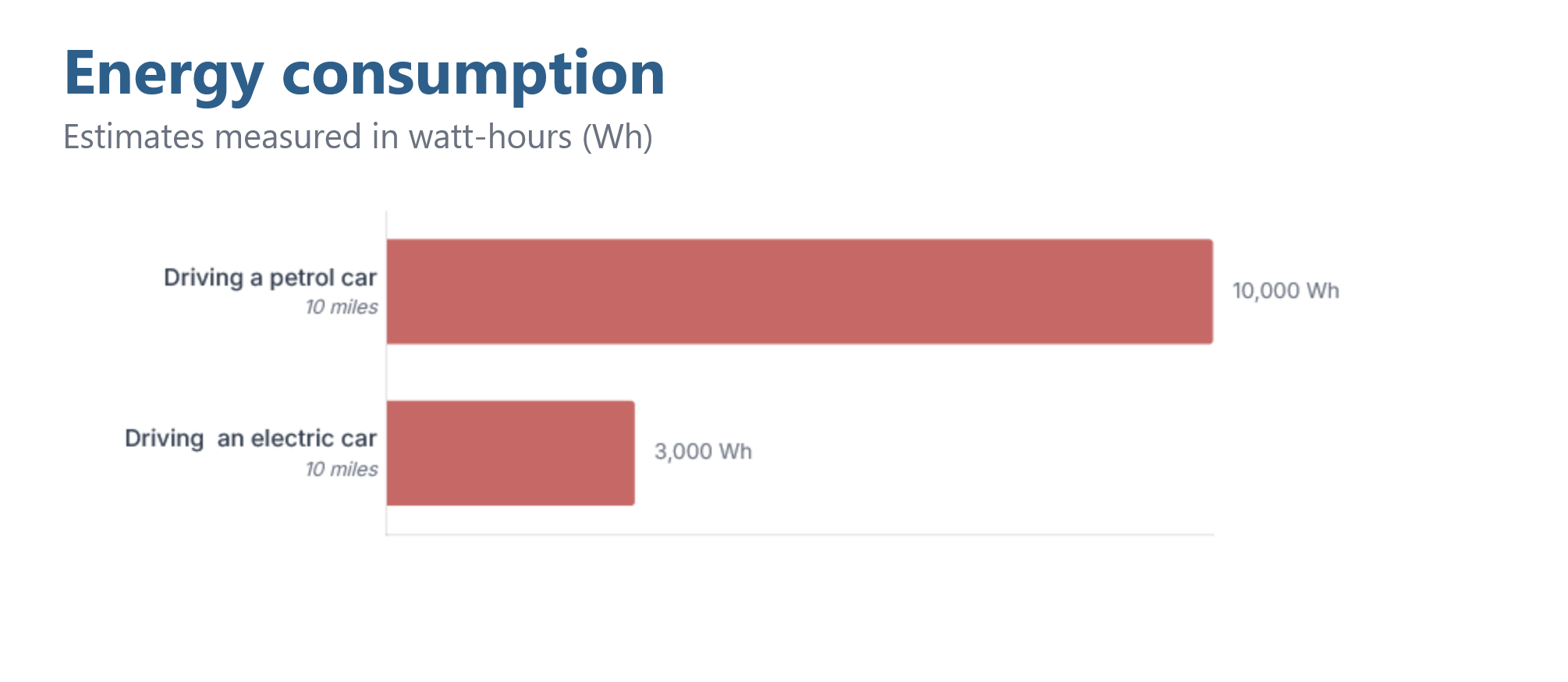
Ritchie’s tool allows you to compare a wide range of activities, and it displays cost as well as power usage. Browse it for your own curiosity. Use it to identify big energy users around the house. Send it to friends and relatives complaining about the price of energy. Use it in the classroom. Pass it on.

