COP 30 has prompted the usual rush of project launches and report publications. This one jumped out though, and not just for the late 90s textspeak vibes of its name: Adapt2Win is a campaign for climate adaptation fronted by a host of global sports persons, including Arsenal’s Beth Mead. Having grumbled just this week that adaptation is still a sideshow in climate conversations, it’s good to see a higher profile campaign around it.
Norway has opened its first national plastic recycling centre. This single high-tech facility can sort plastic packaging into ten different kinds of recycling, and will process 80% of the country’s waste plastic.
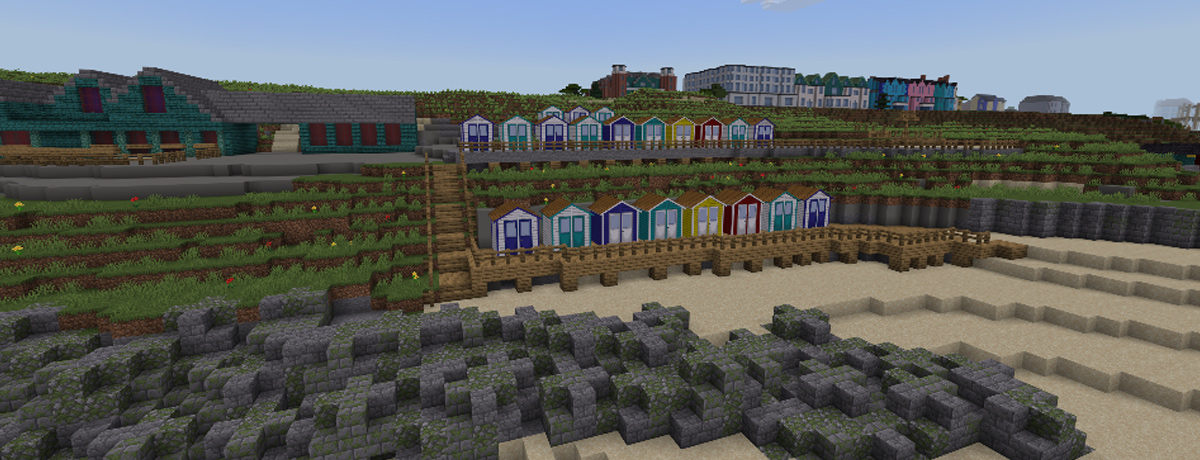
The Environment Agency and Cornwall Council have collaborated with Minecraft to create Coastcraft, a curriculum-integrated game that recreates processes of coastal erosion and challenges users to fix them.
Whether or not his cakes are exceedingly good is a matter of debate, but I was pleased to see that the Mr Kipling bakery will soon be solar powered, thanks to a £2.1 million solar farm near it’s site outside Barnsley.
In case you missed it, my occasional Substack newsletter Zero Carbon Luton went out this week with more local stories. Subscribe if you’re interested…
Latest articles

What we learned this week
Chris Hatch at Covering Climate Now writes about something I’d noticed: Mark Carney was very forward thinking on climate change while at the Bank of England, and seems to have forgotten all about it as Prime Minister of Canada. More evidence that if you’re losing farmland to solar farms, you’re doing it wrong. The biggest…

Mapping heat for a more resilient Brighton
Britain experienced its hottest ever summer this year, pending end-of-year verification. While you can never really point at something and say definitively that it is climate change, the Met Office tells us that climate change made this summer 130 times more likely, which is as good as you’re going to get. Climate change is transforming…
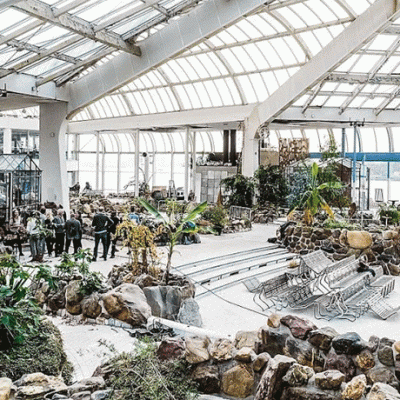
BlueCity’s circular economy hub
I’m reading a book at the moment called Don’t Build, Rebuild, by Aaron Betsky, all about reusing buildings in a circular economy. It’s taking me ages to get through because every couple of pages there’s an example that I can’t resist looking up on the internet before I read on. This has proved unusually distracting,…

