Let’s Go Zero are currently recruiting a new climate action advisor to schools in the East of England area. That’s my team and I can attest to it being a great job. If you’re in the region, come and work with me. Here is the job description, and please spread the word.
Possible have been campaigning on private aviation and tax, and noted a small win in the recent budget. Here’s their article on what’s changed and what remains to be done.
Not something I’ve heard of before, but several Latin American countries have created legal protections for waves. Surf activism is a thing, apparently, and ecologists point out, if you’re protecting the waves you’re likely protecting the ecosystem as a whole.
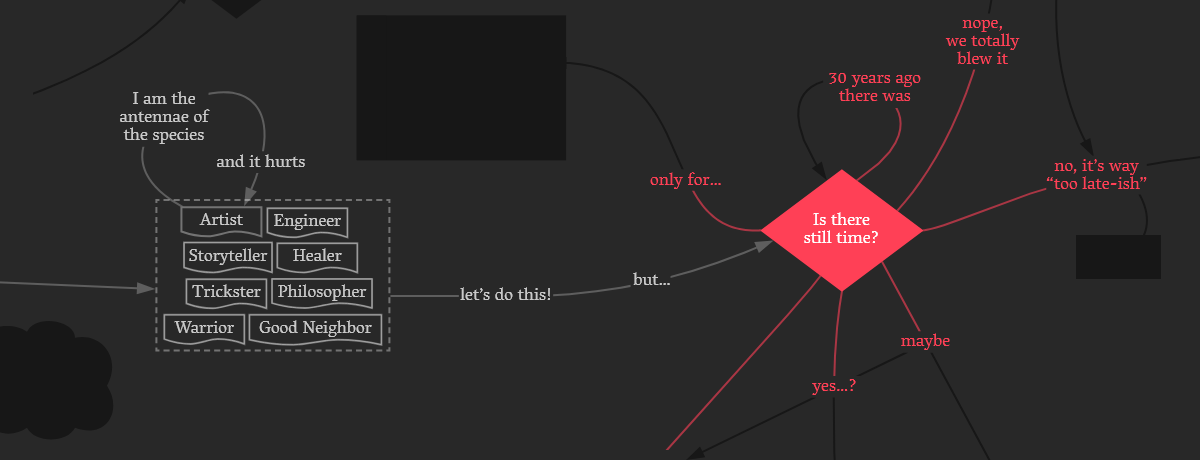
I’ve been reading Andrew Boyd’s book I Want a Better Catastrophe recently, and while I have further questions, I really like the presentation of his climate flowchart.
Speaking of books, you’re down to the wire if you need anything from Earthbound Books before Christmas. First class post will get it to you if you need a gift, and I’ve even got some suggestions for things your climate friends will like.
Latest articles

What we learned this week
Reuters’ investigation into global heatwaves has led them to conclude that we need a new term for them. They’re calling them heatstorms, and their report is an interesting crossover of journalism and science. On the subject of heatwaves, studies in Nature Health have calculated that there were 50,000 heat-related deaths in Europe this summer, the…

Let’s paint some roofs white
I’m doing a lot of work on overheating at the moment, and have been visiting schools to help them understand why their buildings get too hot in the summer and what they can do about it. One of the solutions that keeps coming up is painting roofs white. It’s well documented that white roofs reflect…

The science of hope
The Living Planet Report is produced every two years by WWF and the Zoological Society of London, serving as a regular health-check on wild nature. It’s not been positive news, and over the years its headline finding has become increasingly well known: that since 1970, average wildlife populations have declined by 73%. (This is frequently…

