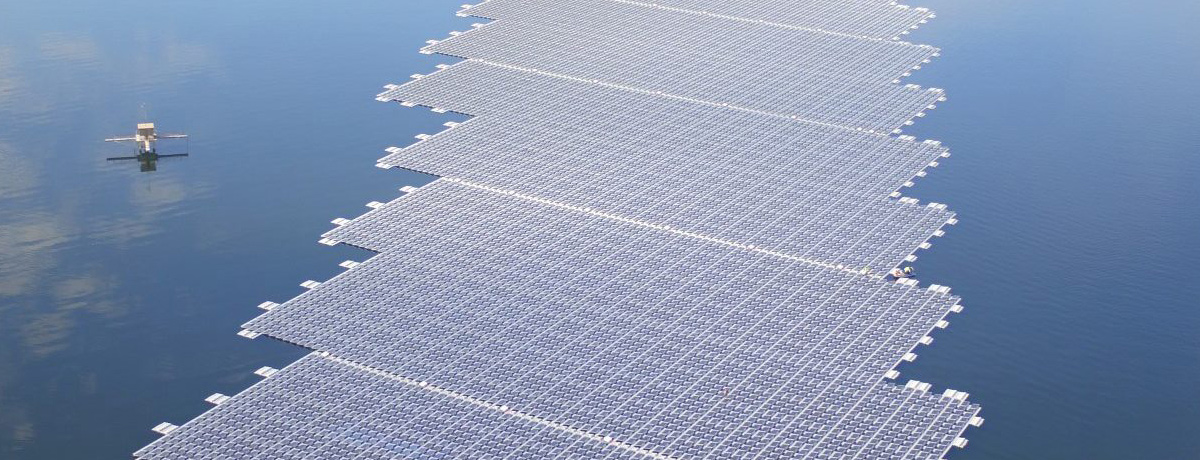
A couple of weeks ago I wrote about why the age of solar power is here. As the technology has matured and become more widely available, solar will slowly rise to dominate global energy.
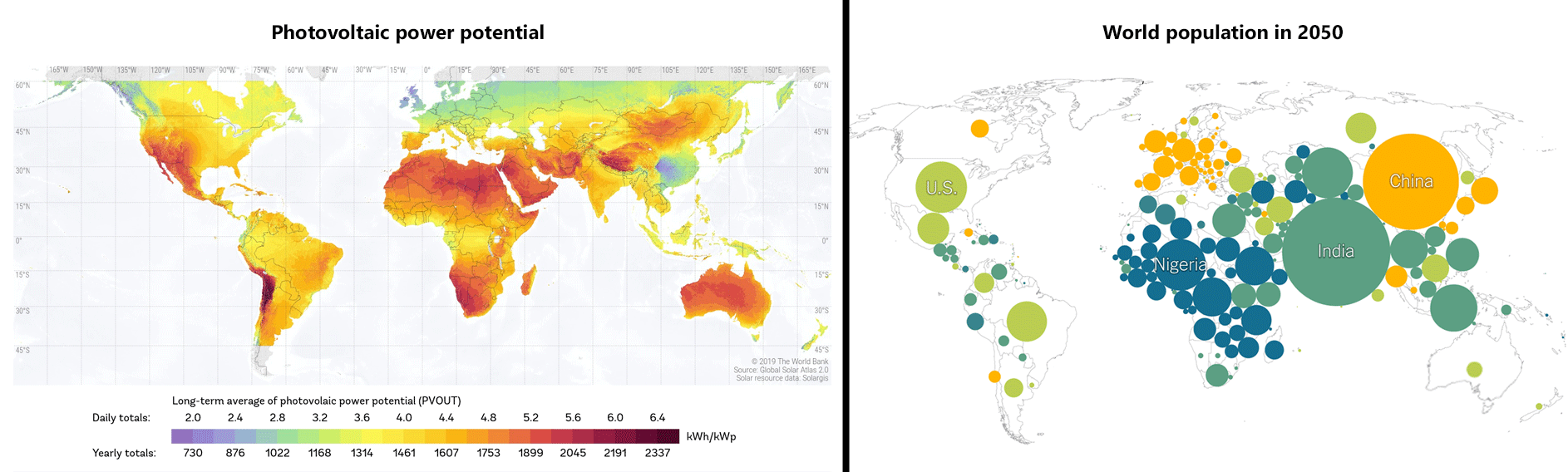
If this doesn’t seem entirely likely, perhaps you live in the global north, where we get less sun and have the winter darkness to contend with. A glance at a global map of solar potential will tell you that we are the exception.
Drop a projection of global population growth next to it, and you’ll see that we become increasingly exceptional. The fastest growing parts of the world have much greater solar resources than we do in gloomy places like the UK. Every passing year sees an increase in the percentage of the world’s population who will be able to draw all or most of their power from the sun.
With cheap solar power come a series of logical choices that make the most of it, from domestic decisions such as cooking on electric, to electrified industrial processes and infrastructure. Electric vehicles become the obvious choice for both public and private transport.
The energy thinktank Ember summarise this set of technologies as ‘electrotech‘, and argue that it adds up to a historic shift in human development. The first revolution in human energy was the discovery of settled agriculture. Fossil fuels and the industrial revolution was the second, and renewable energy represents a third.
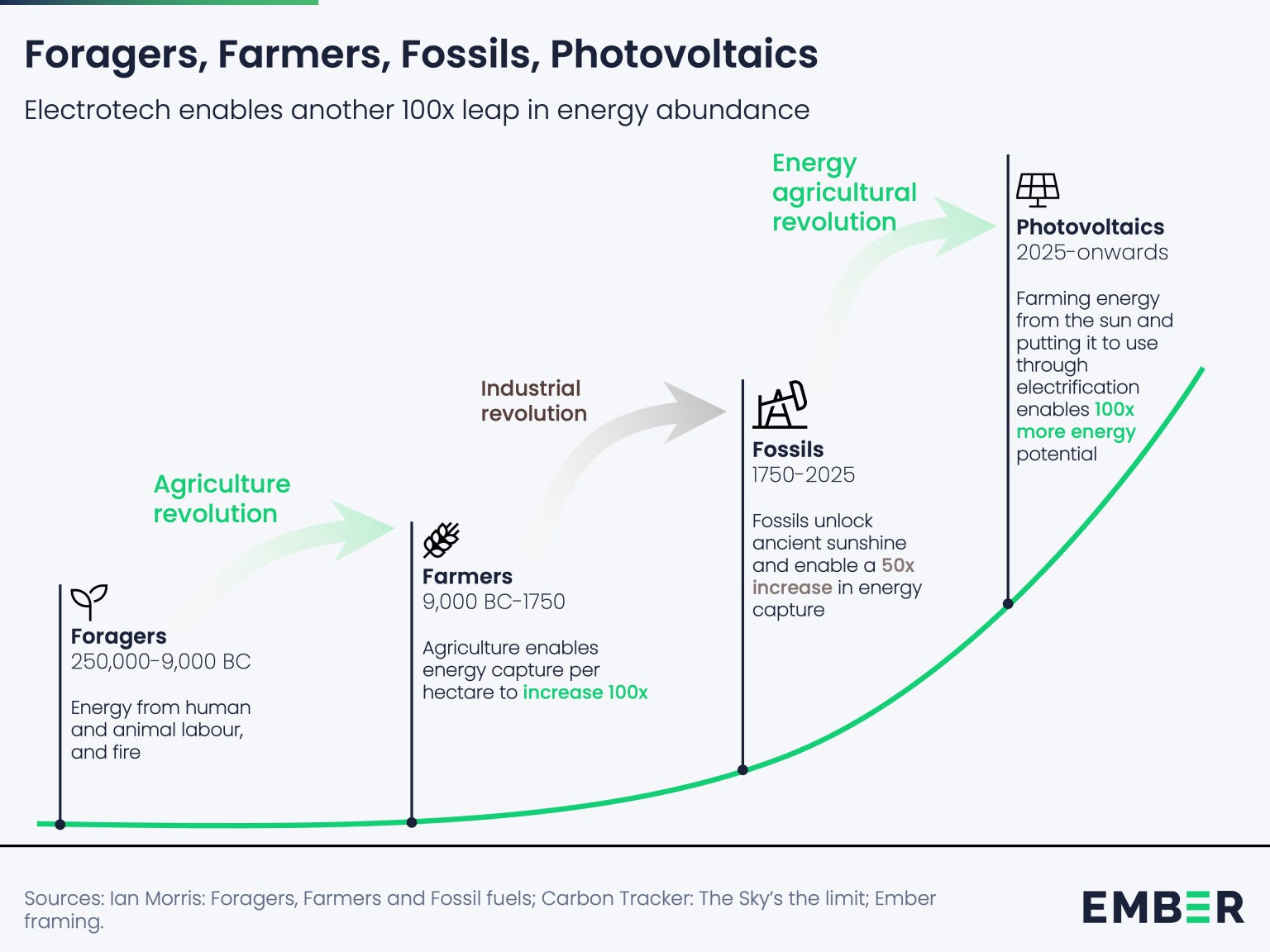
This revolution has been accelerated by digital technologies and “inherits its momentum”, as Ember put it. It can springboard off the rapid advances in battery technology, or the efficiencies made possible through smart meters and internet connected devices. That momentum will be all important if we’re hoping to avoid catastrophic climate change. The Electrotech Revolution will need to move a whole lot faster than previous shifts in energy.
Two things worth noting in the graph above, and Ember have a nice slide-deck if you want to explore more around either of them.
First, there’s a pattern in the history: all these previous revolutions ultimately depend on the sun. Even fossil fuels are the buried legacy of ancient sunlight. In that sense, the story of human progress in energy has been a matter of using the sun more deliberately and more directly. Solar photovoltaic technologies feel like a natural progression in that story.
Second, each of these steps represents an increase in the amount of energy available to humans. This runs counter to the prevailing narrative around the green transition, which is often characterised as using less and saying no. Right-wing opponents of climate policy endlessly reinforce this, and the green movement has traditionally been structured to oppose bad things rather than champion good things. Solar power offers an opportunity to reset. It invites us to say yes. It’s about abundance, because more sunlight falls on the surface of the planet than we can ever need.
If the postmodernists taught us anything it’s to be wary of metanarratives, and I won’t be hanging my hat on the Electrotech Revolution as the solution to all our problems. Other systems are in play beyond energy technology. What I find hopeful however is the growing number of people and organisations who have spotted that something is happening in renewable energy, and solar in particular. We are in the early stages of a process that will unfold over decades. In time, it may turn out to be as significant and transformative as the industrial revolution before it.

