
New Zealand has declared a climate emergency and that the government will try to get its own emissions to net zero by 2025. (It got less coverage, but Japan declared a climate emergency a couple of weeks ago too.) These are symbolic of course, but they are also a powerful statement of intent.
How adding seaweed to cattle feed can reduce emissions. The easiest way to reduce beef emissions is to reduce beef consumption of course, but this is useful too.
I learn from the Spokesmen Cycling Podcast that cargo bikes move 3.5 kph faster than vans in central London, making them a faster way to make local deliveries as well as a cleaner one.
“Rich countries have disproportionate influence when it comes to setting the rules of international trade and finance” writes Jason Hickel, highlighting the colonial influences in the IMF and World Bank.
Have you seen the front cover of The Economist this week? ‘Making coal history’ is the cover story.
I gave a talk last week on climate, race and privilege, for my friends at Christian Climate Action. With apologies for the quality of the Zoom recording, here it is. If people find this useful, I might try and record a better version.
This week’s post in case you missed them:
LATEST POSTS

What we learned this week
Beijing has 20 million citizens and 7 million e-bikes. There’s a boom in e-bike use going on in China right now, and Sustainable Transport magazine looks at how cities are adapting their roads and parking facilities to accomodate them. Teacher friends, if you’re a subscriber to Myatt & Co resources, they’ve just published a guide…
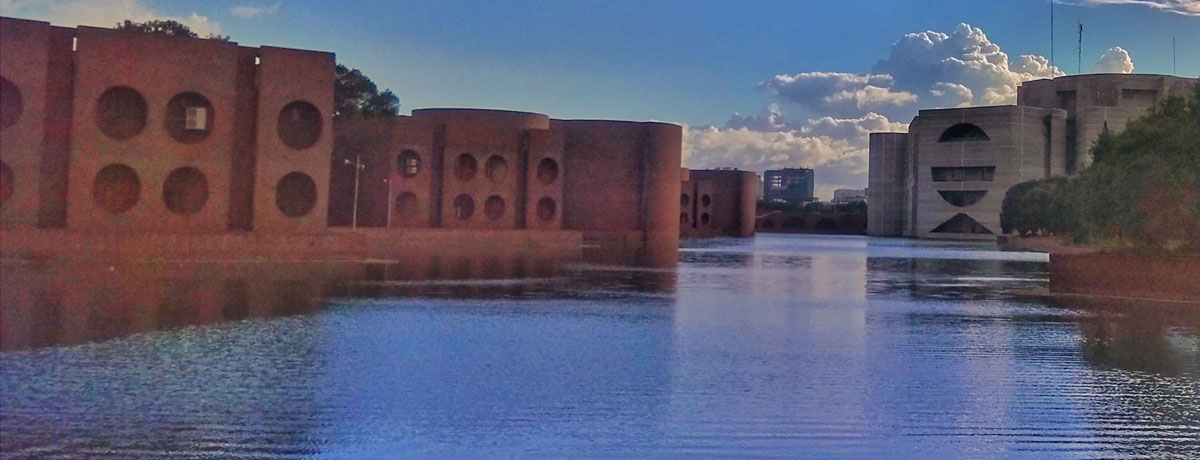
Book review: Street, Palace, Square, by Jan-Werner Müller
Human lives, both individually and collectively, unfold in a built environment. Generally speaking we don’t get to shape that environment all that much. Most of us don’t get to design our own homes, let alone streets and public spaces. Unless you have a particular interest in architecture or urban design, you might never really think…

What we learned this week
I came across the Missing Lynx Project this week, which is campaigning for the reintroduction of the Lynx to Northumberland and the Scottish borders and is worth commending for the name alone. Carbon in Context is a new comparison tool from Project Drawdown. Tonnes of gas is an unintuitive way of measuring anything, so stick…

Polestar’s progress on a zero carbon car
In 2022 I wrote about how Swedish EV brand Polestar had committed to creating a zero carbon car. Note that this isn’t a ‘net zero’ car, but a truly zero carbon process from start to finish. It was industry-leading in its ambition, and also the kind of thing that some companies make a big noise…
Something went wrong. Please refresh the page and/or try again.
 The Earthbound Report
Yes indeed on e-bikes point: it reminds me of this: https://www.eav.solutions
I saw an independent write up(s) of these people; I think major logisics firms are seriously interested because they have major advantages for ‘last mile’ delivery, which is the area logicstics firms are finding hard to crack (both economics and sustainability I think). Our ‘pipe dream’ for Chipping Norton is to have a ‘community last mile delivery depot’ run as a COMMUNITY social enterprise, using bikes like these.
actually not quite a pipe dream: we’ve just put a grant application in for a simpler scheme, which could be a stepping stone…
https://drive.google.com/open?id=1oOMbqgapx0fvTknbbjqSkfD3bKhi_GFm